Newsletter Subscribe
Enter your email address below and subscribe to our newsletter

 BySonu
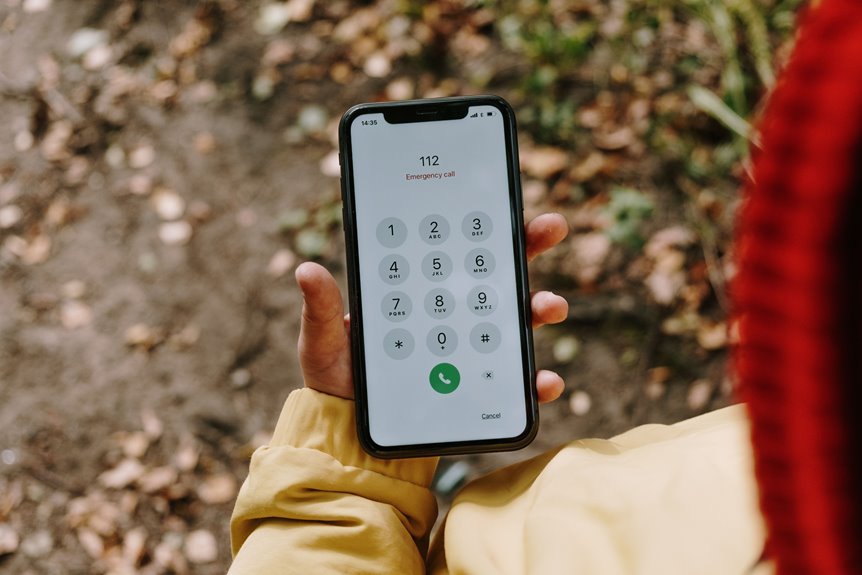
Mishaps with the number 215-282-9925 can arise from misdials, misrouting, or spoofing. These issues disrupt service and erode trust, demanding swift, repeatable steps: log errors, review routing rules, and monitor for anomalies. Spoofing challenges caller verification and requires stronger checks and scrutiny of Caller ID. A rapid diagnosis relies on baseline comparisons and real-time monitoring, followed by concrete fixes such as reconfiguring carriers, rebooting devices, and applying filters. The path forward is careful, documented, and continues beyond initial containment.
Misdials, spoofing, and misrouting can disrupt communication when handling the 215-282-9925 line. The analysis identifies misdial patterns and irregular routing as primary indicators.
Spoofing detection measures distinguish legitimate calls from deceptive attempts, enforcing verification steps and caller-ID scrutiny.
Procedures emphasize prompt routing adjustments, error logging, and audit trails to minimize disruption while preserving user autonomy and operational clarity.
Quick diagnosis of issues on the 215-282-9925 line relies on real-time monitoring and structured triage. The process emphasizes data collection, baseline comparisons, and anomaly detection. Analysts perform misdial troubleshooting and verify caller ID integrity, then assess routing logs and network latency. Spoofing awareness informs risk prioritization, enabling rapid isolation, verification, and documentation without disrupting legitimate communications.
To address issues on the 215-282-9925 line, this section provides concrete, step-by-step fixes for calls, texts, and spam blocking. The procedure minimizes twisted routing exposure and reduces spam risk. Validate numbers, reboot devices, reconfigure carrier settings, and apply updated filters. Test call and text function, then monitor for anomalies. Document actions and outcomes for durable reliability.
Are recurring issues with the 215-282-9925 line preventable through proactive measures and careful configuration? Yes. Implement rigorous caller-ID verification, enforce mutual TLS where available, and maintain updated routing rules to minimize misrouting. Establish misdial prevention protocols, monitor call patterns, and routinely audit logs. Promote spoofing awareness for users, document incident responses, and restore service swiftly with standardized, repeatable procedures.
Yes, 215-282-9925 can be used for international calls, though providers may impose fees and restrictions. The procedure notes unintended call routing and spoofed number detection, ensuring compliance and monitoring to prevent misuse while preserving user freedom.
Calls sometimes ring but fail to connect due to broken call routing and carrier missteps, like a bridge with missing planks. The pattern: misrouted traffic, routing loops, or insufficient signaling causing incomplete handoffs and dropped connections.
Verification methods for identifying spoofing exist; they include analyzing caller ID consistency, call data patterns, and carrier-provided indicators. Caller ID spoofing detection requires protocol checks and metadata review, suggesting steps to confirm authenticity without compromising user independence.
Privacy settings influence call blocking accuracy; more restrictive configurations can improve screening but may also misclassify legitimate calls. The system calibrates thresholds, balances false positives, and updates privacy controls, enabling users to govern call blocking with freedom and precision.
Changing carriers can resolve persistent misrouting issues, but effects vary; it may relocate routing paths, reallocate signaling, and alter provider networks. Unrelated topic considerations include timing, costs, and coverage. Off topic factors also influence results, plans, and service quality.
In a quiet harbor, a lighthouse keeper watches a single buoy—the 215-282-9925 beacon. When fog swirls, misrouted ships drift, and false fires threaten the calm. The keeper compares signals, adjusts the maps, and tightens verifications, pausing to reboot a stubborn horn. Slowly, noise silences; routes align; the bell rings true again. Through careful logs, disciplined fixes, and vigilant defense, the harbor remains steady, guiding every call home with reliability restored and protected for the horizon ahead.